Rajasthan Itinerary: 5, 7, 10 & 14 Days Complete Guide + Tour Packages (2026)
Rajasthan is India’s most cinematic state. Nowhere else on earth do you find royal palaces converted into luxury hotels, fortresses rising from desert dunes, lake cities built entirely in white marble, and a living culture of colour, music, and hospitality that has remained essentially unchanged for five centuries. The “Land of Kings” is not a tourism slogan, it is a description of what this place actually feels like when you arrive.
For Indian travellers from any city and international visitors arriving in Delhi or Mumbai, Rajasthan is the most complete travel destination in the country. You can do it in 5 days and see the highlights. You can spend three weeks and still discover something you did not expect. You can travel on ₹2,000 a day or ₹20,000 a day and have an extraordinary experience either way.
This guide is built to outrank every other Rajasthan itinerary online, not by being longer for its own sake, but by being genuinely more useful. Every duration is covered. Every major route is explained with driving times and distances. Costs are broken down honestly by component. Every FAQ a real traveller has before booking is answered clearly. And the package section tells you what is actually included in a good Rajasthan tour package, not a vague listing.
If you are planning a Rajasthan trip and want to skip the planning entirely, explore our Rajasthan tour packages from Ahmedabad, customised itineraries for every budget and duration, with private vehicle, hotels, and all sightseeing included.
The Four Essential Cities of Rajasthan: Know Before You Plan
Before looking at any itinerary, understand what each major city offers. Every Rajasthan trip is fundamentally built around which of these four destinations you choose, in what order, and for how long.
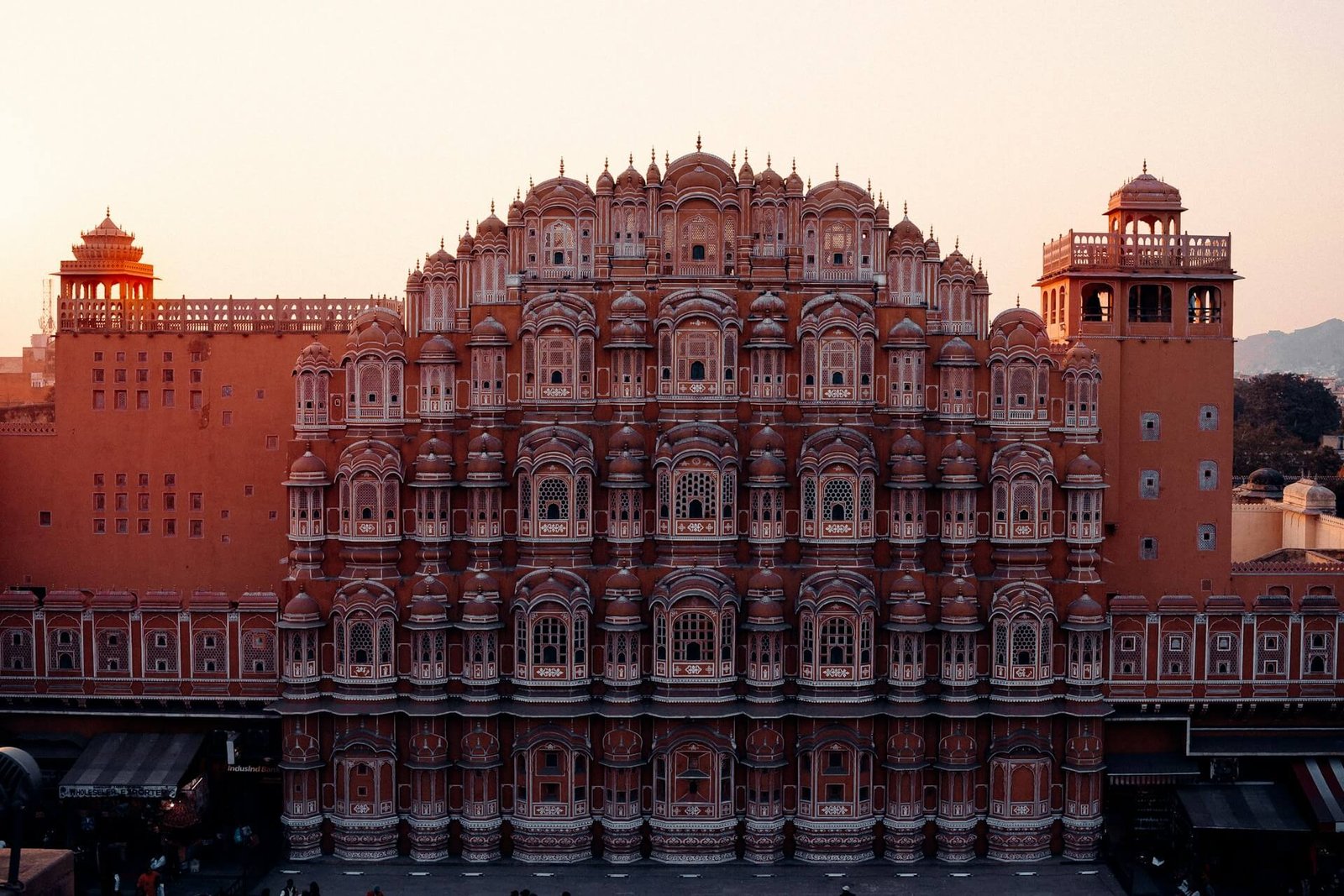
Jaipur: The Pink City is Rajasthan’s capital and most visited city. Two UNESCO World Heritage Sites (Amber Fort and Jantar Mantar), the ornate Hawa Mahal (Palace of Winds), City Palace, and some of India’s best bazaars for jewellery, textiles, and handicrafts. Jaipur is the closest Rajasthan city to Delhi (4–5 hours by train or road) and the natural entry point for most trips. It deserves 2 full days minimum.
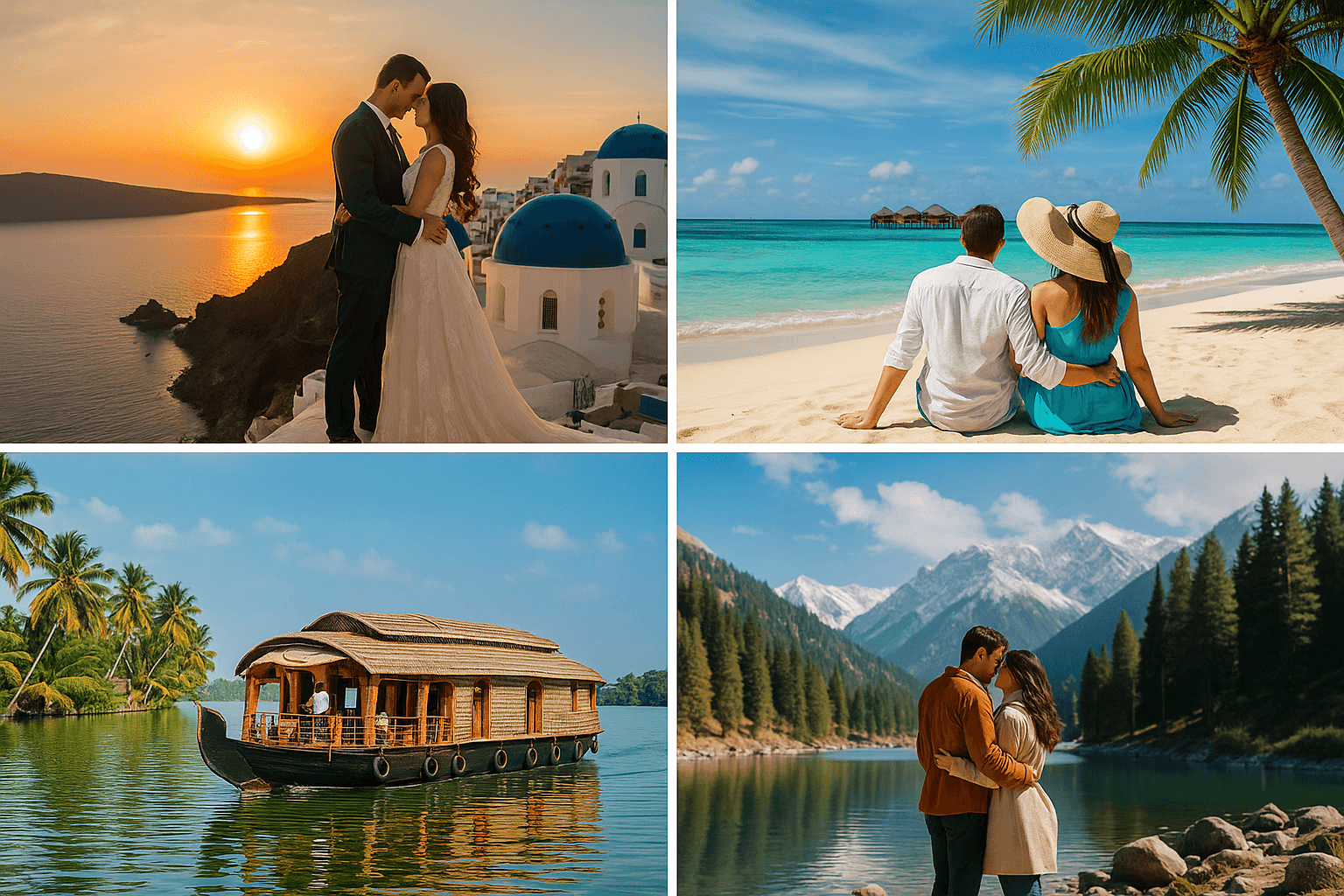
Udaipur: The City of Lakes is the most romantic city in India and arguably the most photographed. Built on the banks of Lake Pichola, surrounded by the Aravalli hills, with a skyline of white marble palaces and temples. The City Palace complex is one of the most elaborate royal residences in Asia. The Lake Palace Hotel, floating in the middle of Lake Pichola, is one of the world’s most famous hotels. Udaipur deserves 2 full days minimum. Honeymoon capital of Rajasthan, no other Indian city comes close for romantic atmosphere.
Jodhpur: The Blue City is built around the Mehrangarh Fort, rising 125 metres sheer from a rocky outcrop, it is one of the largest and most formidable forts in India, and one of the finest. The old city below is famously blue, thousands of houses painted in indigo, historically a Brahmin tradition and now the city’s defining visual identity. Jodhpur is the gateway to the Thar Desert and the natural halfway point between Jaisalmer and Udaipur. Deserves 1.5–2 days.
Jaisalmer: The Golden City is the desert jewel, a 12th-century sandstone fort rising from the Thar Desert, 300km from the nearest large city, a place that feels genuinely remote and ancient even today. The desert safari at Sam Sand Dunes camel riding, watching the sun set over the dunes, spending the night in a luxury desert camp under a sky with more stars than most people have ever seen, is the experience that pulls most travellers to Rajasthan in the first place. Deserves 2 full days.
Supporting destinations that significantly improve any itinerary:
- Pushkar (40km from Ajmer) India’s holiest city for Lord Brahma, the only Brahma temple in the world, a sacred lake, and the famous annual Pushkar Camel Fair (November)
- Ranthambore National Park the best place in India to see wild Bengal tigers, with some of the highest sighting rates in the country. Worth 2 nights and 3 safaris
- Bikaner a desert city with a magnificent fort, the world’s largest camel breeding farm, and far fewer tourists than the main circuit cities
- Chittorgarh Rajasthan’s most historically significant fort, the largest in India at 700 acres, carrying the weight of three legendary jauhar (mass sacrificial events) in its walls. A deeply moving historical site
- Ranakpur one of the five sacred pilgrimage sites of Jainism, home to a 15th-century marble temple with 1,444 uniquely carved pillars and extraordinary architecture
- Shekhawati the “open-air art gallery of Rajasthan,” a region of 18th and 19th-century merchant havelis covered in elaborate frescoes, almost completely off the tourist circuit
Rajasthan Distances and Drive Times: Essential Before Planning
Rajasthan is India’s largest state. Distances between cities are significant, planning without knowing drive times leads to rushed itineraries. Here is the honest reference table every traveller needs:
| Route | Distance | Driving Time | Best Option |
|---|---|---|---|
| Delhi → Jaipur | 270km | 4.5–5.5 hours | Train (Shatabdi, 4h) or road |
| Jaipur → Ajmer/Pushkar | 140km | 2.5–3 hours | Road |
| Jaipur → Jodhpur | 340km | 5–6 hours | Train or road |
| Jaipur → Udaipur | 395km | 6–7 hours | Road via Ajmer or Chittorgarh |
| Jodhpur → Jaisalmer | 290km | 4.5–5 hours | Road |
| Jaisalmer → Bikaner | 330km | 5–6 hours | Road |
| Jaisalmer → Jodhpur | 290km | 4.5–5 hours | Road (return route) |
| Jodhpur → Udaipur | 250km | 4–5 hours | Road via Ranakpur |
| Udaipur → Chittorgarh | 115km | 2–2.5 hours | Road |
| Jaipur → Ranthambore | 175km | 3–3.5 hours | Road or train |
| Jaipur → Bikaner | 330km | 5–6 hours | Road or train |
The key insight most itineraries miss: Jaisalmer to Udaipur is a 9–10 hour drive or requires an overnight train. Many 7-day itineraries try to go Jaipur → Jodhpur → Jaisalmer → Udaipur in 7 days that last leg either involves losing a full travel day or taking an overnight train. Plan for it honestly or drop one destination.
Rajasthan Itinerary for 5 Days: The First-Timer’s Essential Circuit
Five days is the minimum for a meaningful Rajasthan trip. It is enough for Jaipur plus one other city done properly, or a compressed version of the Golden Triangle (Jaipur + Jodhpur + partial Udaipur). Do not try to cover four cities in 5 days, you will spend more time in vehicles than at destinations.
Best 5-day routes:
Option A: Jaipur + Udaipur (most romantic, best for couples): Days 1–2: Jaipur. Days 3–4: Udaipur. Day 5: Udaipur departure or Udaipur → Chittorgarh day trip → depart.
Option B: Jaipur + Jodhpur + Jaisalmer (best for desert lovers): Day 1: Jaipur. Day 2: Jaipur → Jodhpur (train or road). Day 3: Jodhpur → Jaisalmer. Days 4–5: Jaisalmer and Sam Sand Dunes desert safari.
Option C: Golden Triangle + Jaipur (Delhi flyers): Day 1: Delhi → Agra (Taj Mahal). Day 2: Agra → Jaipur. Days 3–4: Jaipur in detail. Day 5: Jaipur → Pushkar → Jaipur or Jaipur departure.
Detailed Day-by-Day: 5 Days Jaipur + Udaipur
Day 1: Arrive Jaipur + City Palace + Evening Bazaar
Arrive in Jaipur by flight (direct from most Indian cities), train from Delhi (4.5 hours on Shatabdi), or road. Check in. Afternoon: City Palace — the Jaipur royal family’s complex of courtyards, palaces, and museums still partially inhabited by the royal family. The Mubarak Mahal textile museum and the armoury are exceptional. Evening: walk the bazaars of the old Pink City, Johari Bazaar for jewellery, Bapu Bazaar for textiles, Nehru Bazaar for shoes and bangles. The streets of Jaipur’s walled city at dusk, lit by shop fronts against the pink sandstone buildings, are one of India’s finest urban scenes.
Day 2: Amber Fort + Hawa Mahal + Jantar Mantar
Early morning (before 8am): drive to Amber Fort, the 16th-century hilltop fort palace 11km from Jaipur. Elephant rides up to the fort gate are the classic arrival (controversial for animal welfare, jeep rides are the increasingly preferred alternative). The fort’s Sheesh Mahal (Hall of Mirrors) a room where a single candle flame reflects in thousands of tiny mirrors set into the ceiling and walls, is one of the most extraordinary spaces in all of India. Hawa Mahal: the “Palace of Winds” a five-storey pink sandstone screen of 953 windows built to allow royal women to observe street life without being seen. Jantar Mantar: the world’s largest stone astronomical observatory (UNESCO World Heritage Site), built in 1734 to measure time, predict eclipses, and track stars with instruments of extraordinary precision, some accurate to within 2 seconds.
Drive to Udaipur (6 hours) in the afternoon. Arrive evening.
Day 3: Udaipur: Lake Pichola Boat Ride + City Palace
Morning: boat ride on Lake Pichola, the 4km artificial lake at the heart of Udaipur, passing the floating Lake Palace (now the Taj Lake Palace hotel), stopping at Jag Mandir Island. The view of the City Palace from the water, a towering white complex built over four centuries by successive Maharanas of Mewar, is one of Rajasthan’s defining images. City Palace: the largest palace complex in Rajasthan, covering 5km of ramparts, with museums, apartments, gardens, and views over the lake. Evening: rooftop dinner at one of the many Lake Pichola-facing restaurants in the old city, the lights of the City Palace reflecting on the water at night is a scene of genuine, unscripted beauty.
Day 4: Udaipur: Saheliyon Ki Bari + Fateh Sagar + Kumbhalgarh Day Trip (Optional)
Saheliyon Ki Bari (Garden of the Maidens) a royal garden built for the 48 noblewomen who accompanied the Princess of Kanpur in her marriage to the Maharana, featuring marble elephants, lotus pools, and fountains. Fateh Sagar Lake, the larger lake north of Pichola, with a small island park and a museum. Optional day trip to Kumbhalgarh Fort (80km, 2 hours): the second most important fort in Rajasthan after Chittorgarh, with a perimeter wall of 36km, the second longest continuous wall in the world after the Great Wall of China. Relatively few tourists visit Kumbhalgarh compared to the main circuit cities, making it a genuinely rewarding detour.
Day 5: Udaipur: Jagdish Temple + Shilpgram + Departure
Morning: Jagdish Temple, a three-storey Indo-Aryan temple built in 1651 with a 79-step approach lined with carved elephants. Shilpgram: a craft village west of Udaipur displaying traditional architecture, crafts, and live demonstrations from artisans across western India. Transfer to Udaipur airport or train station for departure.
Rajasthan Itinerary for 7 Days: The Classic Complete Circuit
Seven days is the most popular Rajasthan itinerary duration and the one that most consistently satisfies travellers. The best 7-day route covers all four major cities Jaipur, Jodhpur, Jaisalmer, and Udaipur if you accept one long travel day. Here is the route that works best.
Best route: Jaipur → Jodhpur → Jaisalmer → Udaipur
Total driving: approximately 1,020km over 7 days. Manageable with a private vehicle. The overnight train from Jaisalmer to Jodhpur (and then an overnight train or early morning drive from Jodhpur toward Udaipur via Ranakpur) significantly reduces the road burden.
Day 1: Arrive Jaipur + Evening Hawa Mahal + Pink City Walk
Arrive Jaipur. Check in. Afternoon: walk the walled Pink City streets — Hawa Mahal exterior photograph at golden hour is essential. Evening bazaar exploration. Dinner at a rooftop restaurant with City Palace views.
Day 2: Jaipur: Amber Fort + City Palace + Jantar Mantar
Full Jaipur sightseeing day as described in the 5-day itinerary. Amber Fort in the morning (arrive before 9am to beat the crowds), City Palace, Jantar Mantar, Nahargarh Fort for sunset (a 16th-century hill fort with panoramic views of the entire Pink City at dusk). Chokhi Dhani in the evening (a traditional Rajasthani village-themed cultural complex where you eat a complete Rajasthani thali while watching folk performances this is genuinely good rather than just touristy).
Day 3: Jaipur → Pushkar (En Route) → Jodhpur
Early morning: drive to Pushkar (140km, 2.5 hours). Pushkar’s sacred ghats around the Brahma Lake, one of India’s oldest living towns, with 52 ghats leading to the lake where Hindus perform ritual baths, and narrow bazaar streets lined with temples. The Brahma Temple (the only temple in India dedicated to the creator god) is the spiritual heart of the town. Pushkar is particularly significant for travellers interested in Hindu pilgrimage and spiritual India.
Continue drive from Pushkar to Jodhpur (3.5 hours). Arrive afternoon. Check in. Evening: explore the old city’s blue streets around the base of Mehrangarh Fort. Dinner at a rooftop restaurant with the illuminated fort visible above, Mehrangarh at night, lit golden against the dark sky, with the blue city spread below it, is one of the most spectacular urban views in India.
Day 4: Jodhpur: Mehrangarh Fort + Umaid Bhawan + Jaswant Thada
Mehrangarh Fort is the high point of any Rajasthan trip for most travellers. It is not the most famous fort in Rajasthan (that is Amber) but it is the most impressive, an enormous, massively built structure with walls 36 metres high and 21 metres thick in places, protecting a series of royal palaces with elaborately carved sandstone screens and rooms full of palanquins, paintings, and weaponry. The audio guide (narrated by the Maharaja of Jodhpur himself) is excellent and free with the entry ticket. Allow 3 hours.
Jaswant Thada, the “Taj Mahal of Marwar,” a white marble cenotaph built in 1899 for Maharaja Jaswant Singh II, with the Mehrangarh Fort visible in the background. Small but extraordinarily peaceful and beautiful.
Umaid Bhawan Palace, the largest private residence in the world at time of completion (1943), built over 15 years by 3,000 craftsmen as a drought-relief employment project. Half is now the Taj hotel (open for tours), the Maharaja’s family occupies part, and the museum section is open to visitors. Drive to Jaisalmer (5 hours) in the afternoon/evening, or take an overnight train (arriving early morning, recommended to save Day 5 entirely for Jaisalmer).
Day 5: Jaisalmer: Golden Fort + Havelis + Gadisar Lake
Jaisalmer Fort (Sonar Quila, Golden Fort) is one of the world’s largest living forts approximately 3,000 people still reside inside its walls in a city that has been continuously inhabited since 1156 AD. The fort’s golden-yellow sandstone glows in the desert sun in a way that photographs rarely capture, it appears to grow from the desert rock rather than sit upon it. UNESCO World Heritage Site. Inside the fort: the Jain Temples (7 temples built between the 12th and 16th centuries, containing extraordinary marble carvings and painted manuscripts), Patwon Ki Haveli (a 60-room mansion built by a wealthy merchant family, its facade covered in lace-like carved stone), and the fort’s lanes and viewpoints.
Gadisar Lake, a 14th-century reservoir at the edge of the city, surrounded by temples and chhatris (domed pavilions), particularly beautiful at golden hour.
Evening: Jaisalmer’s rooftop restaurants overlooking the fort for sunset. The fort slowly turns from gold to amber to deep orange as the sun drops below the Thar horizon. This is a colour show that no filter can improve.
Day 6: Sam Sand Dunes: Desert Safari + Overnight Camp
This is the day that most travellers say they will remember longest. Drive 40km west to Sam Sand Dunes, the largest stretch of undulating desert dunes in Rajasthan. Arrive in the afternoon. Camel safari across the dunes (1–2 hours, riding through valleys between sand ridges to viewpoints from which you can see nothing but desert in every direction). Watch the sun set over the Thar, the light here does things to colour that have no equivalent outside a desert. The sky deepens from blue to orange to purple to black in a display that lasts 45 minutes and holds your complete attention throughout.
Overnight in a desert camp. Luxury camps provide proper tents with attached bathrooms, beds, and hot water. The quality gap between budget (basic tents, shared facilities) and luxury (private tented suites, king beds, private decks) is significant, worth upgrading for at least one night. Dinner in the camp: Rajasthani folk music and dance performance around a bonfire, traditional thali meal, and the kind of night sky visible only from places with zero light pollution. This night is why people come to Jaisalmer.
Day 7: Jaisalmer Departure → Overnight Train to Jodhpur / Flight to Udaipur
Two options for the final day:
Option A: Morning drive to Jodhpur (5 hours). Evening flight or overnight train from Jodhpur to Udaipur (4.5 hours by train) for an onward connection home.
Option B: Fly directly from Jaisalmer to Delhi or Mumbai (IndiGo and SpiceJet operate this route). This is the cleanest exit and worth the cost to avoid 5+ hours of road travel at the end of an already active trip.
Note for travellers wanting to add Udaipur to a 7-day itinerary: The most common mistake is attempting Jaipur → Jodhpur → Jaisalmer → Udaipur in 7 days with full sightseeing at every stop. Jaisalmer to Udaipur is 650km, either a 9-hour road journey or an overnight train. You cannot do this as a day’s travel and still have energy for Udaipur. Either extend to 10 days, or drop Jaisalmer and do Jaipur → Jodhpur → Udaipur instead.
Rajasthan Itinerary for 10 Days: The Complete Royal Circuit
Ten days allows you to do Rajasthan properly — all four major cities, Pushkar, Ranakpur, Ranthambore tiger safari, and enough time at each destination to feel like you’ve arrived rather than just passed through. This is the most satisfying Rajasthan itinerary for travellers who visit once and want to come back feeling complete.
Best 10-day route: Jaipur → Ranthambore → Pushkar → Jodhpur → Jaisalmer → Bikaner → Udaipur
Day 1: Arrive Jaipur + Pink City Orientation
Arrive Jaipur. Evening: walled Pink City walk, Hawa Mahal exterior, bazaar exploration. Rooftop dinner.
Day 2: Jaipur: Amber Fort + Jantar Mantar + City Palace
Full Jaipur sightseeing. Amber Fort (morning), Jantar Mantar, City Palace, Nahargarh Fort sunset. Chokhi Dhani evening optional.
Day 3: Jaipur → Ranthambore: Tiger Safari
Drive to Ranthambore National Park (175km, 3 hours). Afternoon jungle safari (3–4 hours in an open jeep through the forest). Ranthambore is India’s most popular tiger reserve because it is also the most reliably productive, tigers here are unusually habituated to vehicles and are frequently seen in open terrain and on the banks of the park’s lakes. The park also contains the 10th-century Ranthambore Fort (UNESCO World Heritage Site) rising from the middle of the forest, a genuinely unique juxtaposition of history and wildlife. Stay overnight at a wildlife resort adjacent to the park.
Day 4: Ranthambore: Dawn Safari + Drive to Pushkar
Dawn jeep safari (6am). Return to lodge for breakfast. Drive to Pushkar (220km, 4 hours). Afternoon: Pushkar Lake ghats, Brahma Temple, Pushkar bazaar (famous for silver jewellery, camel leather goods, and handmade items). Evening: witness aarti at the lake ghats as the sun sets over the water — one of India’s most atmospheric spiritual ceremonies. Stay in Pushkar.
Day 5: Pushkar → Jodhpur
Morning: slow Pushkar morning, rooftop café breakfast. Drive to Jodhpur (190km, 3.5 hours). Afternoon: old city walk, clock tower market. Evening: Mehrangarh Fort illumination view from old city rooftop. Stay Jodhpur.
Day 6: Jodhpur: Mehrangarh Fort + Umaid Bhawan + Jaswant Thada
Full Jodhpur sightseeing day as described in the 7-day itinerary. Evening departure drive to Jaisalmer (or overnight train).
Day 7: Jaisalmer: Golden Fort + Havelis + Gadisar Lake
Full Jaisalmer sightseeing as described in the 7-day itinerary.
Day 8: Sam Sand Dunes: Desert Camp Overnight
Desert safari, camel ride, sunset, bonfire dinner, overnight luxury desert camp. As described in the 7-day itinerary. This day needs no elaboration, it is the best day in Rajasthan.
Day 9: Jaisalmer → Bikaner → Udaipur (Split Day)
Morning: drive to Bikaner (330km, 5.5 hours). Bikaner is one of the most rewarding cities in Rajasthan for travellers who want to step off the main circuit. Junagarh Fort, built in 1589, it was never conquered, making it one of the few Rajasthan forts built on flat ground (no hill defence needed when the fort was considered impregnable). The fort’s interior is extraordinary: a succession of palaces with Belgian glass, Chinese tiles, and Flemish oil paintings alongside traditional Rajput decoration. Karni Mata Temple (25km from Bikaner) the famous “Rat Temple” where 20,000 rats are revered as sacred and fed milk and grain. Unusual, genuinely fascinating, and not for the squeamish.
Evening overnight train or drive toward Udaipur (460km, 8 hours consider the overnight train option which covers this distance while you sleep).
Day 10: Udaipur: Lake Pichola + City Palace + Departure
Arrive Udaipur morning. Lake Pichola boat ride, City Palace visit. Afternoon: Saheliyon Ki Bari, Jagdish Temple, old city walk. Evening departure.
Rajasthan Itinerary for 14 Days: The Grand Royal Rajasthan
Two weeks in Rajasthan allows you to see everything described above and add the destinations most itineraries skip: the painted Shekhawati region, Chittorgarh Fort, Mount Abu (Rajasthan’s only hill station), and the extraordinary Dilwara Jain Temples.
14-Day Route: Delhi → Shekhawati → Jaipur → Ranthambore → Pushkar → Jodhpur → Jaisalmer → Bikaner → Chittorgarh → Udaipur → Mount Abu → Ranakpur → Jodhpur (departure)
Days 1–2: Delhi → Shekhawati Region
Drive from Delhi to the Shekhawati region (240km, 4 hours). Shekhawati, covering the towns of Mandawa, Nawalgarh, Fatehpur, and Jhunjhunu, is one of India’s greatest architectural secrets. Between the 18th and early 20th centuries, wealthy Marwari merchants built elaborate havelis (mansions) across this semi-arid region, covering their exterior and interior walls in detailed frescoes depicting everything from mythology to steam trains and aeroplanes (technologies the painters had never seen). Today, over 1,000 painted havelis survive, some in magnificent condition. This is called the “Open-Air Art Gallery of Rajasthan” and receives a fraction of the visitors it deserves. Stay in Mandawa, the most atmospheric of the Shekhawati towns several havelis have been converted into heritage hotels.
Days 3–5: Jaipur (Full Coverage)
Amber Fort, Jantar Mantar, City Palace, Hawa Mahal, Nahargarh Fort, Albert Hall Museum, Jal Mahal (Water Palace visible from the road in Man Sagar Lake), Govind Dev Ji Temple. Jaipur deserves three full days if you have the time, the city has more to offer than any 2-day visit captures.
Days 6–7: Ranthambore Tiger Safari
Two nights and three safaris at Ranthambore. The third safari significantly improves sighting probability, the most experienced guides know the tigers’ territories and movement patterns, and dawn safaris produce the best sightings. Ranthambore is home to approximately 70 tigers across its 1,334 square kilometre territory.
Days 8–9: Pushkar + Ajmer
Pushkar (full day) plus the Ajmer Sharif Dargah, the shrine of the Sufi saint Khwaja Moinuddin Chishti, one of the most important Islamic pilgrimage sites in South Asia, visited equally by Muslims and Hindus. The atmosphere at the Dargah qawwali music, rose petals, the press of thousands of devotees is profoundly moving regardless of religious background.
Days 10–12: Jodhpur → Jaisalmer → Desert Camp
As described in the 7-day and 10-day itineraries. Two full nights in Jaisalmer allows one city day and one full desert day.
Day 13: Drive to Chittorgarh → Udaipur
Chittorgarh is the most historically and emotionally significant site in Rajasthan, a 700-acre plateau fort, the largest in India, that witnessed three catastrophic jauhar events (where women immolated themselves rather than surrender to invaders). The fort contains palaces, temples, towers, and reservoirs spread across a site so large that a car is the practical way to explore it. The Vijay Stambha (Tower of Victory), a 37-metre tower built in 1448 to commemorate a military victory, is one of the finest examples of medieval Indian architecture anywhere. Arrive Udaipur evening.
Day 14: Udaipur + Mount Abu Day Trip + Ranakpur Temples
Drive to Mount Abu (160km, 2.5 hours) Rajasthan’s only hill station, situated in the Aravalli hills at 1,220 metres. The Dilwara Jain Temples here (built between the 11th and 13th centuries) are considered the finest examples of marble craftsmanship in the world every surface of the interior is carved into lace-like patterns of such delicacy that they look like carved ivory rather than stone. The Luna Vasahi Temple’s ceiling, carved in concentric circles of decreasing scale, is one of the most extraordinary artistic achievements in India. Return via Ranakpur Jain Temples (15th century, 1,444 uniquely carved pillars supporting a complex of interconnected halls) on the way back to Udaipur.
Rajasthan Tour Package Options: All Themes, All Budgets
Package Pricing Overview (2026)
| Package Type | Duration | Starting Price Per Person | Includes |
|---|---|---|---|
| Rajasthan Classic (Jaipur + Udaipur) | 5D/4N | ₹12,000 | Hotel, breakfast, vehicle, sightseeing |
| Golden Triangle + Rajasthan | 6D/5N | ₹18,000 | Delhi, Agra, Jaipur |
| Rajasthan 4-City Circuit | 7D/6N | ₹22,000 | Jaipur, Jodhpur, Jaisalmer, Udaipur |
| Royal Rajasthan Complete | 10D/9N | ₹35,000 | All above + Ranthambore + Pushkar |
| Rajasthan Honeymoon | 7D/6N | ₹28,000 | Jaipur + Udaipur + Heritage Stays |
| Rajasthan Family Tour | 8D/7N | ₹30,000 | Family-friendly itinerary + activities |
| Rajasthan Heritage & Wildlife | 10D/9N | ₹40,000 | Ranthambore + full circuit |
| Luxury Royal Rajasthan | 8D/7N | ₹75,000+ | Palace hotels throughout |
| Palace on Wheels (Train) | 8D/7N | ₹1,00,000+ | All-inclusive luxury train |
Prices are per person on twin sharing basis, excluding flights. Add ₹5,000–₹12,000 per person for return domestic flights depending on origin city.
1. Rajasthan Family Tour Package
Rajasthan is one of India’s best family destinations, every major city has child-friendly experiences that adults find equally compelling. The elephant ride at Amber Fort (or the increasingly popular jeep alternative), the zip line at Mehrangarh Fort, camel rides at Sam Sand Dunes, the tigers of Ranthambore, and the Chokhi Dhani cultural village are all experiences that work brilliantly for families with children aged 5 and above.
Best family Rajasthan route (8 days): Jaipur (2 nights) → Ranthambore (2 nights) → Pushkar (1 night) → Jodhpur (1 night) → Udaipur (2 nights)
Family-specific inclusions in our packages: Child-friendly heritage hotel rooms, activity-focused sightseeing that mixes movement with education, Chokhi Dhani cultural evening (children love this), Ranthambore wildlife safaris with naturalist explanation, afternoon camel rides, and flexible meal timing. We accommodate all dietary restrictions, pure vegetarian and Jain meals throughout.
2. Rajasthan Honeymoon Package
Udaipur alone justifies a honeymoon trip to Rajasthan. The Lake Palace Hotel in the middle of Lake Pichola is one of the world’s most famous romantic hotels. But the combination of Jaipur → Jodhpur → Udaipur with heritage hotel stays creates a honeymoon experience that rivals Maldives or Europe, at a fraction of the cost and with infinitely more cultural depth.
Best Rajasthan honeymoon route (7 days): Jaipur (2 nights) → Jodhpur (2 nights) → Udaipur (3 nights)
Honeymoon-specific inclusions: Welcome decoration, private candlelit dinner in a haveli courtyard (Jaipur or Jodhpur), romantic boat ride on Lake Pichola at sunset, upgraded heritage hotel rooms, couple’s Ayurvedic treatment in Udaipur, and private transfers throughout with no group tour schedules.
Heritage hotel recommendations that make the Rajasthan honeymoon: Samode Haveli (Jaipur) a 450-year-old haveli with painted frescoes in every room. RAAS Jodhpur, a contemporary design hotel built into a medieval wall with Mehrangarh Fort directly above you. Udai Kothi (Udaipur) a terrace hotel with a rooftop infinity pool overlooking Lake Pichola and the City Palace.
3. Golden Triangle + Rajasthan Tour Package
The Golden Triangle (Delhi–Agra–Jaipur) is India’s most popular tourist circuit and the natural extension into Rajasthan. Most international visitors and many Indian travellers from eastern and southern India use this route as their entry into Rajasthan.
Best Golden Triangle + Rajasthan route (9 days): Delhi (1 night) → Agra/Taj Mahal (1 night) → Jaipur (2 nights) → Pushkar (1 night) → Jodhpur (1 night) → Udaipur (2 nights) → Jaipur departure
The Taj Mahal dawn visit from Agra — arriving at the east gate before 6am when the monument glows pink in the first light, and the subsequent drive to Jaipur through rural Rajasthan create one of the great travel days in India. The contrast between the Mughal grandeur of Agra and the Rajput grandeur of Jaipur, experienced within 24 hours, captures something fundamental about India’s historical complexity.
4. Rajasthan Desert Adventure Package
For travellers whose primary interest is the Thar Desert experience, camel safaris, jeep tours, desert camping, and the genuine remoteness of western Rajasthan, this package focuses on Jaisalmer, Bikaner, and the desert villages that lie between them.
Best desert-focused route (7 days): Jodhpur (1 night) → Osian (Jain temples in the desert, 1 night) → Jaisalmer (3 nights) → Sam Sand Dunes overnight camp → Bikaner (1 night)
Desert-specific inclusions: Sam Sand Dunes luxury tented camp (1 night), full-day jeep safari through the Thar Desert including visits to remote villages, Khuri Sand Dunes (a quieter alternative to Sam with equally spectacular dunes), camel safari at sunset, astronomy session at the camp (the night sky at Sam is extraordinary), and a visit to the Desert National Park and Fossil Park.
5. Rajasthan Heritage and Wildlife Package
Combining Rajasthan’s royal heritage circuit with Ranthambore tiger safari and Keoladeo Ghana Bird Sanctuary (Bharatpur), this package delivers India’s best wildlife alongside its finest historical monuments.
Best wildlife + heritage route (10 days): Agra (Bharatpur Keoladeo Bird Sanctuary day trip) → Ranthambore (2 nights) → Jaipur (2 nights) → Pushkar (1 night) → Jodhpur (1 night) → Jaisalmer (2 nights) → Udaipur (2 nights)
Ranthambore’s tigers, Bharatpur’s extraordinary bird life (over 370 species), and Rajasthan’s forts and palaces combine to create an itinerary that shows India’s natural and historical richness in one sweep. The density of UNESCO World Heritage Sites along this route, Taj Mahal, Keoladeo Bird Sanctuary, Amber Fort, and the Hill Forts of Rajasthan, is unmatched anywhere in India.
6. Luxury Palace Hotels Rajasthan Package
Rajasthan has more luxury heritage hotels than anywhere else in India, palaces, forts, hunting lodges, and havelis converted into extraordinary places to stay. Staying in a Rajasthan heritage hotel is not just accommodation, it is a significant part of the experience.
The finest heritage properties in Rajasthan:
Jaipur: The Raj Palace (a 19th-century royal palace with 29 suites, each unique). Samode Palace (45km from Jaipur, a 450-year-old palace with painted frescoes). Alsisar Haveli (18th-century haveli in the old city).
Jodhpur: Raas (contemporary luxury built into a medieval wall). Umaid Bhawan Palace Taj (half of the world’s largest private residence). Bal Samand Lake Palace.
Jaisalmer: Suryagarh (a fort-inspired luxury hotel 2km from the Golden Fort, considered one of India’s finest). Serai (a luxury tented camp in the Thar Desert).
Udaipur: Taj Lake Palace (floating hotel on Lake Pichola, one of the world’s most famous hotels). Fateh Garh (a hillside fort hotel with lake views). Raas Devigarh (a restored 18th-century palace 26km from Udaipur, considered one of India’s finest design hotels).
Luxury package note: A 7-night Rajasthan luxury itinerary staying at the Raj Palace, Raas Jodhpur, Suryagarh Jaisalmer, and Taj Lake Palace costs approximately ₹80,000–₹1,50,000 per person, excluding flights. This represents extraordinary value compared to equivalent-quality hotel experiences in Europe or Southeast Asia, a palace suite in Rajasthan frequently costs less than a good hotel room in Paris.
Rajasthan Trip Cost: Honest Component Breakdown (2026)
| Component | Budget | Mid-Range | Premium |
|---|---|---|---|
| Hotel (per night, per room) | ₹800–₹1,500 | ₹2,500–₹6,000 | ₹8,000–₹50,000+ |
| Heritage hotel premium | — | ₹4,000–₹8,000 | ₹15,000–₹1,00,000 |
| Desert camp (per night) | ₹1,500 | ₹4,000 | ₹12,000–₹25,000 |
| Private vehicle (per day) | ₹2,500 | ₹3,500 | ₹5,000–₹8,000 |
| Daily meals (per person) | ₹400–₹700 | ₹800–₹1,500 | ₹2,000–₹5,000 |
| Amber Fort entry | ₹200 | ₹200 | ₹200 |
| Mehrangarh Fort entry | ₹600 (incl. audio guide) | ₹600 | ₹600 |
| Ranthambore safari (per person) | ₹800–₹1,200 | ₹1,500–₹2,500 | ₹3,000–₹6,000 |
| Sam Sand Dunes camel safari | ₹300 | ₹800 | ₹2,500+ |
| Total per person (7 days) | ₹14,000–₹20,000 | ₹30,000–₹45,000 | ₹80,000–₹2,00,000 |
Flights to Jaipur from major Indian cities add ₹4,000–₹12,000 return per person depending on origin city and booking window.
How to Reach Rajasthan? From Every Major Indian City
From Delhi
The most common entry point. Train from Delhi to Jaipur (Shatabdi Express, 4.5 hours, ₹700–₹1,200) is the benchmark domestic train journey in India, comfortable, on-time, and scenic. Road via NH-48 (Jaipur Expressway): 275km, 4.5–5.5 hours by car. Flights: IndiGo, Air India, SpiceJet operate Delhi–Jaipur (45 minutes, from ₹3,500 one-way).
From Mumbai
Overnight trains from Mumbai Central to Jaipur (Jaipur Superfast Express, 17–18 hours) and to Udaipur (16 hours on Bandra–Udaipur Express). Flights from Mumbai to Jaipur (2 hours), Udaipur (1.5 hours), and Jodhpur (1.5 hours) operate daily. Flying into Udaipur and doing the circuit in reverse (Udaipur → Jodhpur → Jaisalmer → Jaipur, departing from Jaipur) is the most logical Mumbai route.
From Ahmedabad
Road to Udaipur via NH-48 (255km, 4–4.5 hours) making Udaipur the closest Rajasthan city for Ahmedabad travellers and the natural entry point. Direct flights from Ahmedabad to Jaipur (1.5 hours), Udaipur (45 minutes), and Jodhpur (1 hour) operate on IndiGo and Air India. The Ahmedabad–Udaipur corridor is among the shortest entry routes into Rajasthan from any Indian city.
From Bangalore / Chennai / Hyderabad
Fly to Jaipur (2–2.5 hours from Bangalore/Hyderabad, direct on IndiGo and Air India). Jaipur is the standard entry point for South India travellers and works best for circuits heading clockwise: Jaipur → Ranthambore → Pushkar → Jodhpur → Jaisalmer, finishing in Udaipur and flying out from Udaipur back to your origin city.
From Kolkata
Overnight trains connect Kolkata to Jaipur (Jammu Tawi Express or Garib Nawaz SF Express, 24–28 hours), making train travel viable for Kolkata travellers who enjoy the journey. Flights: Kolkata to Jaipur (2.5 hours, IndiGo daily).
Best Time to Visit Rajasthan: Month-by-Month Guide
November to February- Peak Season and Best Overall Temperatures across Rajasthan: 10–27°C. This is when Rajasthan is at its finest, comfortable weather for all outdoor activities, clear skies, and the full cultural calendar running. November and December bring the Pushkar Camel Fair (November, one of India’s most extraordinary cultural events, with 50,000 camels, cattle, and horses trading hands over 10 days), Jaisalmer Desert Festival (February), and the Udaipur World Music Festival. December and January are the most popular months. Book hotels 6–8 weeks in advance for this period, especially for heritage properties which have limited rooms.
March excellent. Temperatures starting to rise (25–35°C) but still manageable for sightseeing. Holi (March) is one of India’s greatest celebrations, Rajasthan celebrates it with particular intensity. Experiencing Holi in Jaipur, Udaipur, or Pushkar is a travel experience unlike anything else in India.
April to June- Hot Season Temperatures reach 35–46°C across the plains and desert. Not recommended for first-time visitors or families with young children for outdoor sightseeing in the desert cities. Hill stations (Mount Abu) remain comfortable. Heritage hotels with courtyard pools and air-conditioned interiors become more important. Prices are 20–40% lower than peak season, experienced travellers use this period for budget luxury. Early morning and evening sightseeing with long afternoon breaks at the hotel is the strategy.
July to September- Monsoon Rajasthan’s landscape transforms during the monsoon, the brown desert landscape turns green, waterfalls appear on the Aravallis, and lakes fill. Udaipur and the hill country of southern Rajasthan are particularly beautiful. Desert cities (Jaisalmer, Bikaner) remain hot and receive little rain but some years see flooding that affects road travel. This is the best time for budget travellers: hotels at lowest annual rates, almost no crowds at major monuments, and a genuinely different face of Rajasthan that most visitors never see.
October- Transitional and Excellent The monsoon ends, temperatures drop to a comfortable 25–35°C, and the state prepares for peak season. Navratri (October) is celebrated with particular enthusiasm in Rajasthan. Dussehra brings spectacular celebrations to Kota and Jaipur. October is arguably the best month for the combination of good weather, lower prices than peak season, and lush post-monsoon landscape.
Rajasthan Travel Tips: What Nobody Else Tells You?
The one thing most itineraries get wrong about Jaisalmer: Most people do the Sam Sand Dunes camel safari as an evening excursion from Jaisalmer and return to the city for the night. Do not do this. The whole point of the desert is to spend the night there, the stars, the silence, the complete absence of any sound except wind. Stay overnight at a desert camp. This single decision separates a good Jaisalmer experience from an extraordinary one.
Amber Fort timing: Go before 9am or after 4pm. Between 10am and 3pm the fort is overwhelmed with visitors and coach tours. The same monument feels completely different at 8am, you can stand in the Sheesh Mahal in almost complete silence, which is the only way to properly experience it.
Mehrangarh Fort audio guide: The audio guide included with your entry ticket at Mehrangarh (narrated by the current Maharaja of Jodhpur) is one of the best in India. Use it. It transforms the fort from a collection of rooms into a living story.
Heritage hotel strategy: One night in a heritage hotel does more for your understanding of Rajasthan than five nights in a business hotel. Even if you travel on a budget, allocate one night in a heritage property, converted forts and havelis at ₹3,000–₹5,000 per room exist in every major Rajasthan city and fundamentally change how the place feels.
Ranthambore safari booking: Government-allocated Ranthambore safaris are booked online through the Rajasthan Forest Department website. They sell out rapidly, the October–February period should be booked 60–90 days in advance. Private lodge safari slots are booked through the lodge directly. Zone 3 and Zone 4 historically have the highest tiger sighting rates, request these zones specifically when booking.
The Rajasthan thali: Dal Baati Churma, the definitive Rajasthani dish, is baked wheat balls (baati) served with a spiced lentil curry (dal) and a sweet crumbled mixture of wheat and ghee (churma). It is filling, flavourful, and eaten correctly (by hand, mixing the components in the bowl) is one of India’s finest eating experiences. Available at Chokhi Dhani (Jaipur), Gypsy Restaurant (Jaisalmer), and most traditional dhabas throughout the state.
Water and health: Carry a water bottle and refill from sealed bottles only. Rajasthan’s heat in peak season is dry rather than humid, meaning dehydration creeps up without the sweating cues you would normally notice. Drink significantly more water than you think you need. Sun protection (hat, sunscreen, sunglasses) is non-negotiable for outdoor sightseeing from March to October.
Photography golden rule: The best light in Rajasthan is at sunrise (extraordinary across the desert and at lake cities) and the 45 minutes before sunset (the golden light on sandstone forts is incomparable). Midday light is flat and harsh. Plan your sightseeing schedule around this all the best Rajasthan photographs happen in the first and last hours of daylight.
Frequently Asked Questions: Rajasthan Itinerary and Tour Package
How many days are enough for Rajasthan?
7 days is the most popular and satisfying duration for a Rajasthan trip. It covers Jaipur, Jodhpur, Jaisalmer, and provides a taste of Udaipur. 5 days is enough for Jaipur plus one other city done properly. 10 days allows all four major cities plus Ranthambore and Pushkar at a relaxed pace. 14 days covers the complete state including Shekhawati, Chittorgarh, and Mount Abu.
What is the best Rajasthan itinerary route?
The best Rajasthan itinerary route for most travellers is Jaipur → Pushkar → Jodhpur → Jaisalmer → Udaipur, moving west and south. This route follows a logical geographic arc, avoids backtracking, and ends in Udaipur — which has its own airport for onward connections. For Delhi-based travellers, the route starts with Jaipur (4.5 hours from Delhi). For Mumbai and Ahmedabad travellers, starting from Udaipur (closest to western India) and reversing the circuit works equally well.
What is the Rajasthan trip cost for 2 persons?
A mid-range 7-day Rajasthan trip for 2 persons costs approximately ₹55,000–₹80,000 total, including return domestic flights from most Indian cities, private vehicle throughout, hotels on twin sharing, daily breakfast, and key sightseeing including Amber Fort, Mehrangarh Fort, Sam Sand Dunes overnight camp, and Lake Pichola boat ride. Budget trips for 2 persons cost ₹30,000–₹45,000. Luxury heritage hotel packages for 2 persons cost ₹1,50,000–₹4,00,000.
What is the best time to visit Rajasthan?
October to February is the best time to visit Rajasthan. November to February offers the most comfortable weather (10–27°C), with all outdoor activities, desert safaris, and cultural events fully operational. October combines post-monsoon green landscape with falling temperatures and Navratri celebrations. March is excellent with slightly higher temperatures and the Holi festival. Avoid May and June for outdoor-focused itineraries (40–46°C in the desert cities).
Which city to start a Rajasthan trip from?
Jaipur is the natural starting point for most Rajasthan trips, it is the largest city, has the most flight connections from across India, is the closest to Delhi, and has two UNESCO World Heritage Sites. Udaipur is the best starting point for travellers flying from Mumbai, Ahmedabad, or Gujarat — it is the closest major Rajasthan city to western India and the most easily reached from there.
Is 7 days enough for Rajasthan? Yes, 7 days is enough for a genuinely satisfying Rajasthan trip covering Jaipur, Jodhpur, Jaisalmer, and a taste of Udaipur. The key is accepting one long travel day (Jaisalmer to Udaipur is 9–10 hours by road or overnight train) and being realistic that each city gets 1–2 full days rather than a leisurely exploration. Travellers who want to feel unhurried at all four cities should extend to 10 days.
What is included in a Rajasthan tour package?
A good Rajasthan tour package from a reputable agency includes: return flights from your origin city, private AC vehicle with driver throughout, hotels on twin sharing (heritage properties or standard hotels depending on package tier), daily breakfast, key monument entry fees, a local expert guide at Amber Fort and Mehrangarh Fort, Sam Sand Dunes camel safari and overnight desert camp, Lake Pichola boat ride, and 24/7 on-trip support. What is typically not included: lunch and dinner (except breakfast), personal shopping, Ranthambore safari fees (charged by the Forest Department separately), travel insurance, and any activity not listed in package inclusions.
What is the Palace on Wheels Rajasthan and is it worth it?
The Palace on Wheels is a luxury train operated by the Rajasthan Tourism Development Corporation that travels a 7-night circuit from Delhi through Jaipur, Sawai Madhopur (Ranthambore), Chittorgarh, Udaipur, Jaisalmer, Jodhpur, Bharatpur, and Agra, returning to Delhi. The train’s 14 saloon coaches were once the personal railway carriages of Rajasthan’s Maharajas, each decorated in a different palace style. Fares start from approximately USD 400 per person per night (all-inclusive). It is worth it for travellers who prioritise the train experience as the central feature of the trip, the highest possible comfort between destinations, and a fully guided all-inclusive package. It is not the most efficient way to see Rajasthan in depth, sightseeing time at each city is limited to a few hours. For independent travellers who want to spend real time at each destination, a private car + heritage hotels circuit delivers a more immersive experience at lower cost.
Can I do a Rajasthan trip without a car? What about public transport?
Yes, but with limitations. Trains connect the major Rajasthan cities reliably, the Jaipur–Jodhpur and Jodhpur–Jaisalmer overnight trains are comfortable and affordable. The challenge is logistics within each city (monuments are spread across large areas, not walkable) and inter-city transfers on the smaller routes (Pushkar, Shekhawati, Ranakpur, Chittorgarh are all significantly harder without a private vehicle). The recommended approach for budget travellers: use trains for the long intercity hauls (Jaipur → Jodhpur → Jaisalmer), hire local taxis or autorickshaws within each city, and rent a car with driver only for the routes with no good train option. A private vehicle for the entire circuit is significantly more comfortable and not dramatically more expensive when split between 2–4 travellers.
Why Book Your Rajasthan Tour Package with Tour De Holidays?
Tour De Holidays plans Rajasthan tours for travellers from Ahmedabad and across India, families, couples, honeymooners, pilgrim groups, and corporate incentive tours. Our Rajasthan packages are fully customised: you choose the cities, the hotel category, the duration, and the specific experiences, and we build the itinerary and handle every booking.
We know Rajasthan in the specific way that matters for planning a great trip, which zones in Ranthambore have the best tiger sighting rates, which heritage hotels are genuinely worth the price and which are trading on names alone, which Jaisalmer desert camp delivers the luxury tented experience and which falls short, the optimal arrival time at Amber Fort to avoid the 10am–3pm crush, and which Udaipur rooftop restaurant has both the lake view and the food to justify the price.
Explore our Rajasthan tour packages or call +91 9370053095 to speak with a travel expert and get a customised Rajasthan quote for your specific dates, group, and budget.