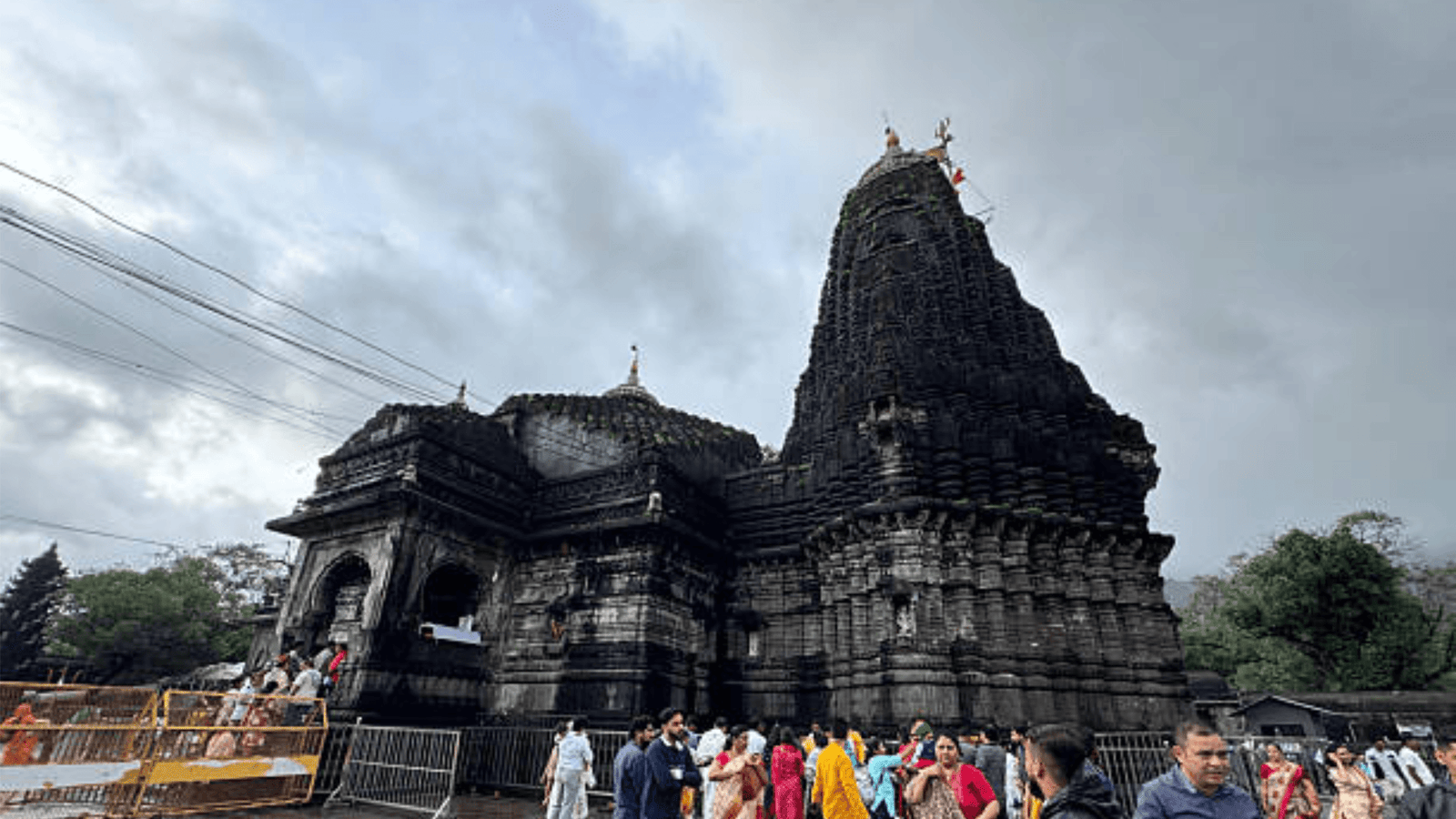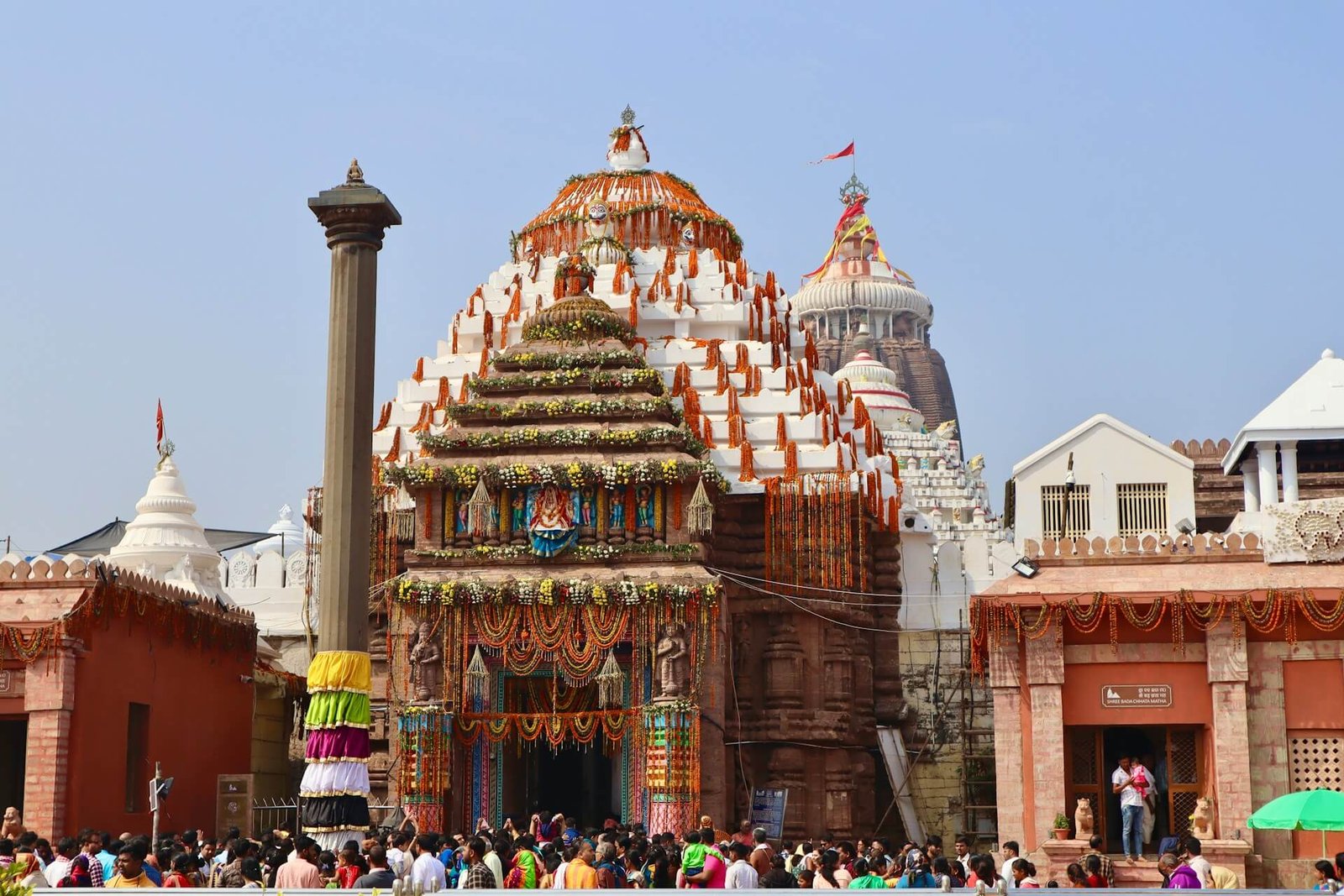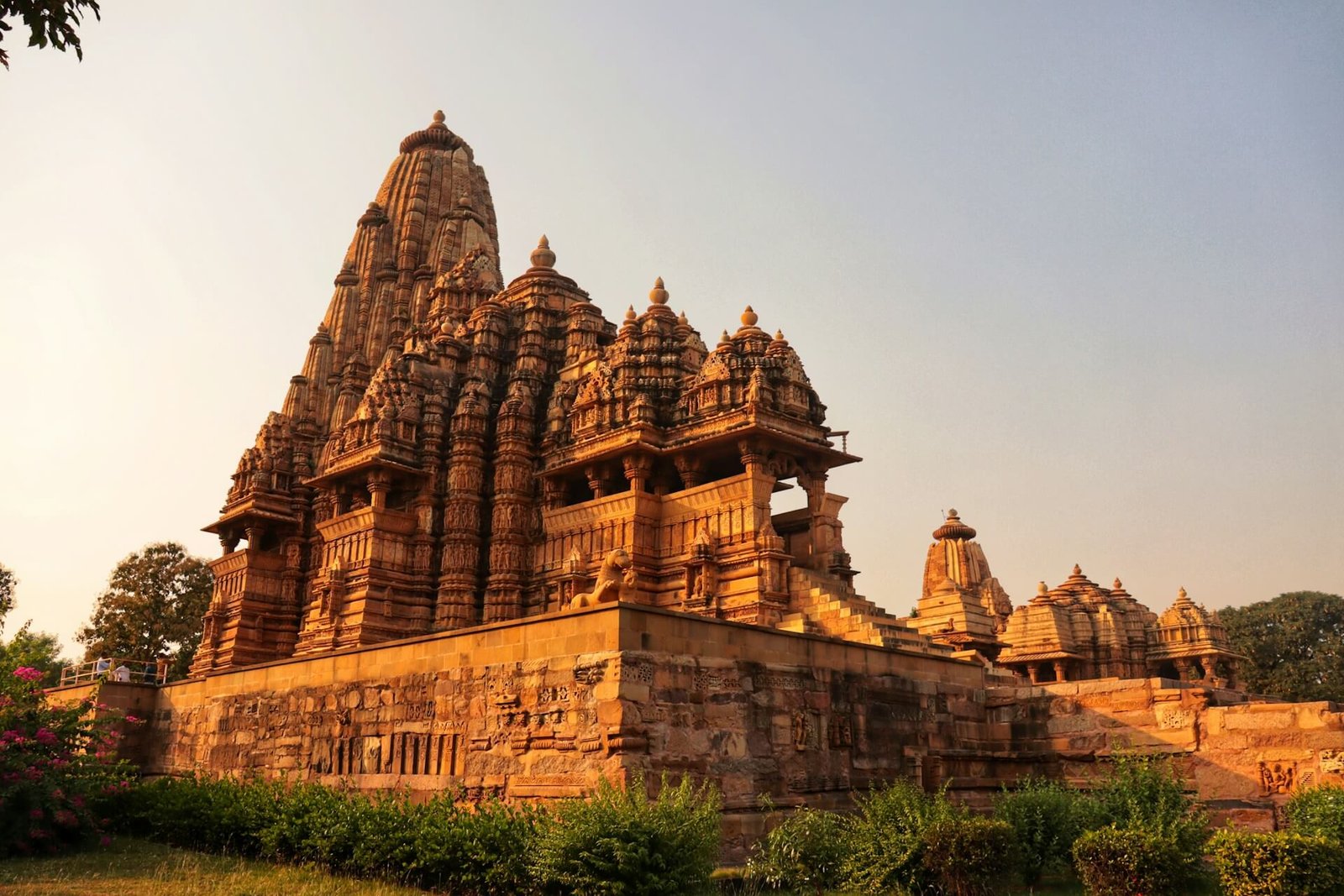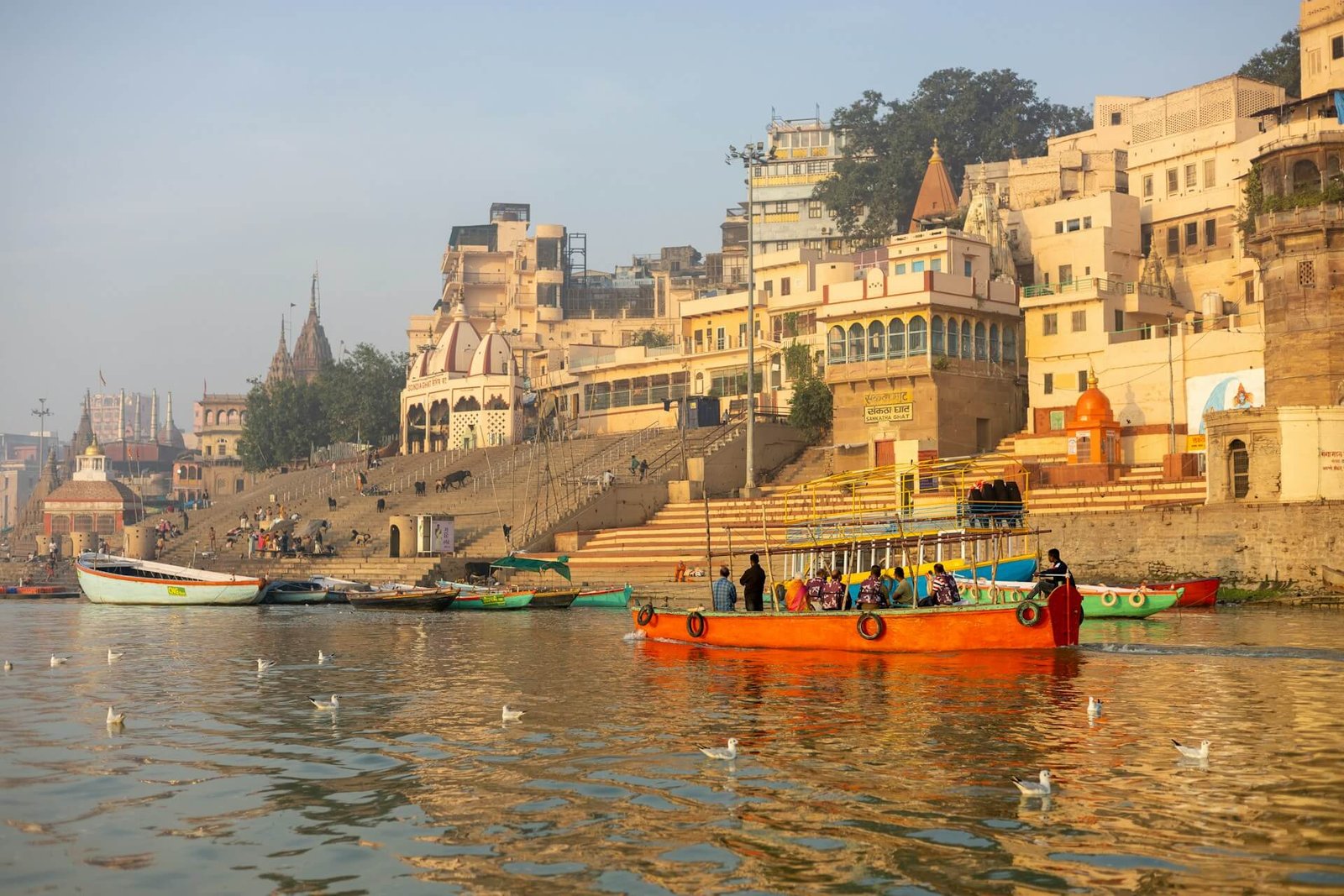
A Maharashtra Jyotirlinga pilgrimage from Ahmedabad combines some of India’s most important Shiva temples with ancient heritage sites, spiritual towns, historic cities, and scenic landscapes. For devotees travelling from Gujarat, a well-planned Maharashtra Jyotirlinga Tour Package from Ahmedabad can make the journey easier by combining hotels, road transfers, temple visits and sightseeing into one itinerary.
Maharashtra is traditionally associated with five Jyotirlinga temples: Trimbakeshwar, Bhimashankar, Grishneshwar, Aundha Nagnath and Parli Vaijnath. Since these temples are spread across different parts of the state, covering all five requires more planning than a typical weekend pilgrimage.
A 5-day trip can focus on three major Jyotirlingas, a 7-day itinerary can be planned around all five, while a 10-day journey gives you more time for darshan, rest and additional destinations such as Shirdi, Nashik, Ellora and Chhatrapati Sambhajinagar.
Planning note: There are traditional and regional differences regarding the identification of some Jyotirlinga sites, particularly Aundha Nagnath and Parli Vaijnath. If your purpose is specifically to complete the traditional five-Jyotirlinga pilgrimage of Maharashtra, confirm the exact temples included in your package before booking.
How Many Days Do You Need for a Maharashtra Jyotirlinga Tour from Ahmedabad?
A practical Maharashtra Jyotirlinga itinerary from Ahmedabad generally needs 5 to 10 days, depending on how many temples you want to cover and how much time you want for sightseeing.
A 5-day itinerary is suitable for travellers who want to visit three major Jyotirlingas without making the trip too rushed. A 7-day itinerary gives enough time to plan a route covering all five traditionally associated Maharashtra Jyotirlingas. A 10-day itinerary is better for families, senior citizens and devotees who want a slower pilgrimage with additional nights for rest and sightseeing.
| Trip Duration | Suggested Focus | Best For |
|---|---|---|
| 4 Nights / 5 Days | Trimbakeshwar, Bhimashankar & Grishneshwar | Short pilgrimage |
| 6 Nights / 7 Days | All 5 traditional Maharashtra Jyotirlinga sites | Complete Jyotirlinga yatra |
| 9 Nights / 10 Days | Five Jyotirlingas + Shirdi, Ellora, Nashik & heritage sightseeing | Relaxed family pilgrimage |
For most travellers from Ahmedabad, 7 days is a practical duration for attempting all five temples, while 8 to 10 days allows a more comfortable pace.
Why Plan a Maharashtra Jyotirlinga Yatra from Ahmedabad?
Maharashtra is one of the most important pilgrimage destinations for devotees of Lord Shiva. The state combines ancient temples with historic cities, sacred rivers, cave temples and important spiritual centres.
For travellers from Ahmedabad and other parts of Gujarat, Maharashtra is also relatively accessible by road, train and flight. A private vehicle provides flexibility between temple towns, while train and flight combinations can reduce some of the longer travel segments.
A Maharashtra Jyotirlinga pilgrimage can be planned for:
- Families travelling together.
- Senior citizens and parents.
- Couples seeking a spiritual journey.
- Groups of devotees.
- Private pilgrimage tours.
- Weekend or short spiritual trips covering selected temples.
- Complete five-Jyotirlinga yatras.
- Pilgrimage combined with Shirdi and Maharashtra sightseeing.
The journey is not only about temple darshan. Depending on the itinerary, travellers can also experience Nashik, Panchavati, Shirdi, Ellora Caves, Chhatrapati Sambhajinagar and other important attractions.
What Are the Five Jyotirlingas in Maharashtra?
The five temples traditionally included in a Maharashtra five-Jyotirlinga pilgrimage are:
| Jyotirlinga | Location | Why It Is Included |
|---|---|---|
| Trimbakeshwar Jyotirlinga | Trimbak, near Nashik | Important Shiva temple associated with the Godavari’s source region |
| Bhimashankar Jyotirlinga | Pune district | Sacred Shiva temple surrounded by the Sahyadri landscape |
| Grishneshwar Jyotirlinga | Verul, near Ellora | Important Shiva shrine close to the Ellora Caves |
| Aundha Nagnath | Hingoli district | Major Shiva pilgrimage centre traditionally counted among the Jyotirlingas |
| Parli Vaijnath | Beed district | Important Shiva temple and pilgrimage destination |
Because these temples are located in different parts of Maharashtra, the route should be designed according to road conditions, temple timings, hotel availability and the travel requirements of the group.
How to Reach Maharashtra from Ahmedabad?
There are three practical ways to begin your Maharashtra Jyotirlinga tour from Ahmedabad.
By Road
A private car, SUV, tempo traveller or group coach gives the greatest flexibility for a Jyotirlinga yatra.
Road travel is particularly useful because several temples are away from major airports and railway stations. With a private vehicle, you can stop for meals, rest breaks and sightseeing according to your schedule.
Road travel is especially convenient for:
- Families.
- Senior citizens.
- Groups.
- Private pilgrimage tours.
- Travellers carrying luggage.
- Customised temple itineraries.
For a complete five-Jyotirlinga route, however, several days involve long road journeys, so the itinerary should include adequate breaks.
By Train
Train travel can be useful for reaching major Maharashtra cities and railway stations, followed by private road transfers to the temples.
Depending on the itinerary, travellers from Ahmedabad can consider train connections towards destinations such as Nashik, Pune and other suitable railway stations.
A train-based Maharashtra Jyotirlinga tour package can combine:
Ahmedabad → Train → Maharashtra → Private Cab/Tempo Traveller → Jyotirlingas → Return
Train schedules and availability should be checked according to the travel date.
By Flight
Flying can reduce the initial travel time between Ahmedabad and Maharashtra.
Depending on the itinerary, travellers may consider airports serving Mumbai, Pune, Nashik or the Chhatrapati Sambhajinagar region.
However, the nearest airport is not necessarily the best airport for a five-Jyotirlinga trip. The complete road route should be considered before selecting the flight.
For travellers with limited time, a flight plus private cab combination can be a convenient option.
Key Distances for a Maharashtra Jyotirlinga Yatra
The five Jyotirlingas are spread across different parts of Maharashtra, so understanding the route is important before booking.
The approximate road distances can vary depending on the exact route and starting point, but the major travel sections include:
- Ahmedabad to Nashik: approximately 450 km
- Nashik to Trimbakeshwar: approximately 30 km
- Nashik to Bhimashankar: approximately 210–220 km
- Bhimashankar to Parli: approximately 300 km or more depending on the route
- Parli to Aundha Nagnath: approximately 170–200 km
- Aundha Nagnath to Grishneshwar: approximately 200–250 km depending on the route
- Grishneshwar to Chhatrapati Sambhajinagar: approximately 30 km
- Chhatrapati Sambhajinagar to Ahmedabad: approximately 470–500 km
Road distances and journey times can change according to the selected route, traffic, road conditions and stops. For this reason, avoid creating an itinerary with back-to-back temple visits and no buffer time.
Maharashtra Jyotirlinga Tour from Ahmedabad: 3 Itinerary Plans
Plan 1: Maharashtra Jyotirlinga Itinerary, 4 Nights 5 Days
Trimbakeshwar, Bhimashankar & Grishneshwar
This 5-day itinerary is suitable for travellers who have limited time but want to visit three important Jyotirlinga temples in Maharashtra.
It works well for couples, working professionals and small families who want a shorter spiritual trip without attempting the entire five-temple circuit.
Day 1: Ahmedabad to Nashik
Begin your Maharashtra Jyotirlinga yatra from Ahmedabad.
You can travel by private vehicle, train or flight depending on your package.
On arrival in Nashik, check into your hotel and relax.
If you arrive early enough, explore:
- Panchavati
- Ramkund
- Kalaram Temple
- Sita Gufa
- Local spiritual markets
Nashik is an important pilgrimage destination in its own right and makes a convenient starting point for Trimbakeshwar.
Overnight stay: Nashik.
Day 2: Trimbakeshwar Jyotirlinga and Nashik
After breakfast, travel to Trimbakeshwar Jyotirlinga Temple.
Spend sufficient time for darshan and account for queues, security checks and local traffic.
After the temple visit, you can explore nearby attractions depending on your available time:
- Trimbakeshwar Temple
- Kushavarta Tirtha
- Panchavati
- Ramkund
- Kalaram Temple
- Sita Gufa
Return to Nashik and rest.
Overnight stay: Nashik.
Day 3: Nashik to Bhimashankar
After an early breakfast, begin the journey towards Bhimashankar Jyotirlinga.
The route takes you towards the Sahyadri hills and can involve several hours of road travel.
On reaching Bhimashankar, visit the temple for darshan and spend some time in the surrounding area.
The forested landscape around Bhimashankar gives this part of the pilgrimage a different atmosphere from the urban temple destinations.
Overnight stay: Bhimashankar region or a suitable nearby destination.
Day 4: Bhimashankar to Grishneshwar
After breakfast, travel towards Grishneshwar Jyotirlinga Temple near Verul.
After darshan, visit the Ellora Caves if the opening hours and itinerary allow.
You can also explore selected attractions around Chhatrapati Sambhajinagar if sufficient time is available.
Overnight stay: Chhatrapati Sambhajinagar.
Day 5: Chhatrapati Sambhajinagar to Ahmedabad
After breakfast, begin the return journey to Ahmedabad.
Depending on your transport arrangement, you can travel by road, train or flight.
If you have a late departure and additional time, optional sightseeing can include:
- Bibi Ka Maqbara
- Daulatabad Fort
- Local markets
Tour conclusion: Ahmedabad.
Who Should Choose the 5-Day Plan?
This itinerary is suitable for:
- First-time Maharashtra pilgrims.
- Working professionals with limited leave.
- Couples.
- Small families.
- Travellers interested in three major Jyotirlingas.
- People who do not want a very long road journey.
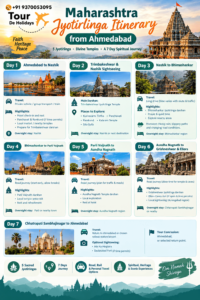
Plan 2: Maharashtra Jyotirlinga Itinerary, 6 Nights 7 Days
Complete Five-Jyotirlinga Pilgrimage
A 7-day itinerary is a practical option for travellers who want to attempt all five traditionally associated Maharashtra Jyotirlinga temples.
The route involves considerable road travel, so early starts and comfortable accommodation are important.
Day 1: Ahmedabad to Nashik
Travel from Ahmedabad to Nashik by your selected transport.
After hotel check-in, relax or visit Panchavati and Ramkund if time permits.
Overnight stay: Nashik.
Day 2: Trimbakeshwar Jyotirlinga Darshan
After breakfast, proceed to Trimbakeshwar Jyotirlinga.
Complete darshan and explore selected Nashik attractions.
Depending on your schedule, visit:
- Kushavarta Tirtha
- Panchavati
- Ramkund
- Kalaram Temple
Return to the hotel.
Overnight stay: Nashik.
Day 3: Nashik to Bhimashankar
After an early breakfast, drive towards Bhimashankar Jyotirlinga.
After reaching the destination, complete temple darshan and spend time in the surrounding area.
Because this is a long travel day, avoid adding too many additional sightseeing stops.
Overnight stay: Bhimashankar region or nearby destination.
Day 4: Bhimashankar to Parli Vaijnath
After breakfast, begin the journey towards Parli Vaijnath.
This is another substantial road journey, so plan regular breaks.
On arrival, visit Parli Vaijnath Temple for darshan, subject to the temple’s operating schedule and local arrangements.
Spend the evening resting after the journey.
Overnight stay: Parli.
Day 5: Parli to Aundha Nagnath
After breakfast, proceed towards Aundha Nagnath Temple in Hingoli district.
Complete darshan and allow some time for prayer and local exploration.
Depending on your group’s comfort level, an overnight stay in the region is preferable to continuing late into the evening.
Overnight stay: Aundha Nagnath region or suitable transit destination.
Day 6: Aundha Nagnath to Grishneshwar and Ellora
After breakfast, continue towards Grishneshwar Jyotirlinga Temple near Verul.
Complete darshan and, if time permits, visit the nearby Ellora Caves.
Ellora is particularly convenient to add because it is close to Grishneshwar.
Continue towards Chhatrapati Sambhajinagar for your hotel.
Overnight stay: Chhatrapati Sambhajinagar.
Day 7: Chhatrapati Sambhajinagar to Ahmedabad
After breakfast, begin the return journey to Ahmedabad.
Depending on your selected package, return by private vehicle, train or flight.
Tour conclusion: Ahmedabad.
Who Should Choose the 7-Day Plan?
The 7-day plan works well for:
- Devotees wanting to cover all five traditional Maharashtra Jyotirlingas.
- Families travelling together.
- Private groups.
- Couples.
- Travellers looking for a complete Jyotirlinga pilgrimage.
- People comfortable with several long road journeys.
Plan 3: Maharashtra Jyotirlinga Itinerary, 9 Nights 10 Days
Complete Five Jyotirlingas + Shirdi, Nashik & Heritage
A 10-day Maharashtra Jyotirlinga itinerary is a better option if you do not want the pilgrimage to feel rushed.
Instead of moving from one temple to another every day, the additional time can be used for rest, sightseeing and spiritual destinations such as Shirdi.
Day 1: Ahmedabad to Nashik
Travel from Ahmedabad to Nashik.
Check into the hotel and relax.
If time permits, explore Panchavati and Ramkund.
Overnight stay: Nashik.
Day 2: Trimbakeshwar Jyotirlinga and Nashik
Visit Trimbakeshwar Jyotirlinga after breakfast.
Complete darshan and explore selected Nashik attractions.
Overnight stay: Nashik.
Day 3: Nashik and Shirdi
Depending on the selected route, spend part of the day exploring Nashik before travelling towards Shirdi.
Visit the Sai Baba Temple and other permitted temple-area attractions.
Overnight stay: Shirdi.
Day 4: Shirdi to Bhimashankar
After breakfast, continue towards Bhimashankar.
Complete Jyotirlinga darshan and spend the evening resting.
Overnight stay: Bhimashankar region.
Day 5: Bhimashankar to Parli Vaijnath
Begin the journey towards Parli after breakfast.
Complete temple darshan on arrival, depending on timing.
Overnight stay: Parli.
Day 6: Parli to Aundha Nagnath
Travel towards Aundha Nagnath after breakfast.
Visit the temple and allow enough time for prayer and rest.
Overnight stay: Aundha Nagnath region.
Day 7: Aundha Nagnath to Grishneshwar
Continue towards Grishneshwar.
Complete darshan at the Jyotirlinga temple.
Overnight stay: Chhatrapati Sambhajinagar.
Day 8: Ellora and Chhatrapati Sambhajinagar Sightseeing
Spend a more relaxed day exploring the heritage attractions around Chhatrapati Sambhajinagar.
Depending on opening hours and your interests, visit:
- Ellora Caves
- Daulatabad Fort
- Bibi Ka Maqbara
- Local markets
Overnight stay: Chhatrapati Sambhajinagar.
Day 9: Chhatrapati Sambhajinagar to Ahmedabad
Begin your return journey towards Ahmedabad.
If travelling by road, take regular breaks.
If using a flight or train, transfer to the appropriate airport or railway station.
Overnight stay: Ahmedabad or transit location depending on the departure schedule.
Day 10: Buffer / Return Day
For a 10-day customised package, keeping the final day flexible provides useful protection against delays caused by road conditions, temple queues, weather or changes in transport schedules.
Alternatively, this day can be used for additional sightseeing depending on the selected route.
Who Should Choose the 10-Day Plan?
The 10-day plan is suitable for:
- Families with children.
- Senior citizens.
- Larger groups.
- Devotees who prefer a relaxed pilgrimage.
- Travellers wanting to add Shirdi.
- Travellers interested in Maharashtra’s heritage.
- People who want additional buffer time between long journeys.
Best Places to Visit on a Maharashtra Jyotirlinga Tour
Trimbakeshwar
Trimbakeshwar is one of the most important Shiva pilgrimage centres near Nashik and is the starting point for many Maharashtra Jyotirlinga itineraries from Ahmedabad.
Nashik and Panchavati
Nashik has several religious attractions, including Panchavati, Ramkund and Kalaram Temple. It is also a practical base for visiting Trimbakeshwar.
Bhimashankar
Bhimashankar is surrounded by the Sahyadri landscape and offers a combination of pilgrimage and nature.
Parli Vaijnath
Parli is an important pilgrimage town in the Beed district and is included in traditional Maharashtra five-Jyotirlinga routes.
Aundha Nagnath
Aundha Nagnath in Hingoli district is another important stop on the traditional Maharashtra Jyotirlinga pilgrimage.
Grishneshwar
Grishneshwar is located close to Ellora and can be combined with a heritage sightseeing day.
Shirdi
Shirdi can be added to longer Maharashtra pilgrimage packages for devotees who want to visit the Sai Baba temple.
Ellora Caves
Ellora is one of Maharashtra’s major heritage attractions and is particularly convenient to visit alongside Grishneshwar.
Chhatrapati Sambhajinagar
Chhatrapati Sambhajinagar provides a useful base for exploring Ellora, Daulatabad and Bibi Ka Maqbara.
Best Time for a Maharashtra Jyotirlinga Tour from Ahmedabad
Maharashtra can be visited throughout the year, but the most suitable season depends on your itinerary and tolerance for heat, rain and long road journeys.
October to February
The cooler months are generally comfortable for long road journeys and temple sightseeing.
This period can be particularly convenient for:
- Families.
- Senior citizens.
- Long-distance road trips.
- Temple sightseeing.
- Heritage attractions.
Popular religious dates can still attract large crowds, so accommodation and transport should be arranged in advance.
March to May
Summer temperatures can become high, particularly during daytime.
If travelling during this period:
- Begin temple visits early.
- Keep drinking water available.
- Avoid unnecessary afternoon travel.
- Select hotels with suitable cooling facilities.
- Plan regular breaks during road journeys.
June to September
The monsoon transforms parts of Maharashtra into lush green landscapes, particularly around the Sahyadri region and Bhimashankar.
However, heavy rain can affect:
- Road travel.
- Visibility.
- Journey times.
- Hill routes.
- Outdoor sightseeing.
Keep additional travel time when planning a monsoon Jyotirlinga yatra.
Maharashtra Jyotirlinga Tour Package Price from Ahmedabad
The cost of a Maharashtra Jyotirlinga tour from Ahmedabad depends on several factors, including the number of travellers, duration, transport, hotel category, season and sightseeing requirements.
A general planning structure is:
| Package Type | Duration | Approximate Cost* |
|---|---|---|
| 3-Jyotirlinga Package | 4N/5D | ₹25,000–₹40,000 per person |
| 5-Jyotirlinga Package | 6N/7D | ₹35,000–₹55,000 per person |
| Relaxed 5-Jyotirlinga Tour | 8N/9D | ₹45,000–₹65,000 per person |
| Extended Pilgrimage | 9N/10D | ₹50,000–₹75,000+ per person |
| Private Family Tour | Customised | Depends on vehicle, hotels and group size |
These are indicative planning ranges rather than fixed package prices. Actual pricing can change according to travel dates, hotel availability, vehicle type, number of passengers, airfare or train fares, sightseeing and seasonal demand.
For a private family trip, the per-person cost can change considerably depending on whether the group travels by sedan, SUV or tempo traveller.
What Is Included in a Maharashtra Jyotirlinga Tour Package?
A customised Maharashtra Jyotirlinga Tour Package from Ahmedabad can include:
- Hotel accommodation.
- Daily breakfast or meals according to the selected package.
- Private car, SUV, tempo traveller or group transportation.
- Airport or railway station transfers where applicable.
- Sightseeing according to the confirmed itinerary.
- Driver allowance.
- Toll and parking charges for included road transfers.
- Assistance with itinerary planning.
- Applicable taxes as mentioned in the quotation.
What Is Usually Not Included?
Unless specifically mentioned, packages may exclude:
- Flight tickets.
- Train tickets.
- Personal expenses.
- Meals not listed in the package.
- Special puja or abhishekam charges.
- VIP or special darshan charges.
- Entry tickets for optional sightseeing.
- Travel insurance.
- Additional vehicle usage.
- Expenses caused by route changes, delays or unforeseen circumstances.
Always check the final written quotation before confirming the trip.
Tips for Planning Your Maharashtra Jyotirlinga Yatra
1. Confirm the Five Temples
If you are booking a five-Jyotirlinga package, confirm the exact temple names included in the itinerary.
2. Don’t Make the Route Too Rushed
The five temples are spread across Maharashtra. Trying to cover multiple temples without sufficient travel time can make the pilgrimage tiring.
3. Consider Senior Citizens
For elderly travellers, include additional rest nights and avoid unnecessarily long consecutive driving days.
4. Check Temple Timings
Temple timings, darshan arrangements, queues and special puja rules can vary. Check the current arrangements before travel.
5. Plan Around Religious Festivals
Important religious occasions and festivals can bring large crowds. Hotels and transport may also become more expensive during busy periods.
6. Keep Buffer Time
A road journey can take longer than expected because of traffic, weather, road conditions or temple queues.
7. Choose Hotels Strategically
A hotel near the next day’s route can save travel time and make early departures easier.
8. Carry Comfortable Clothing
Temple visits can involve walking and waiting. Comfortable and appropriate clothing is useful throughout the journey.
9. Carry Personal Medicines
Families and senior citizens should keep their regular medicines and essential personal items easily accessible during long road journeys.
10. Check Package Inclusions
Before booking, confirm whether tolls, parking, driver charges, meals, hotel taxes and sightseeing tickets are included.
Maharashtra Jyotirlinga Tour for Senior Citizens
A Jyotirlinga pilgrimage can be planned for senior citizens, but the itinerary should prioritise comfort rather than trying to cover as many places as possible each day.
A senior-friendly package can include:
- Private vehicle.
- Comfortable hotels.
- Shorter daily sightseeing schedules.
- Additional rest nights.
- Regular meal and washroom breaks.
- Minimal unnecessary walking.
- Convenient hotel locations.
- Flexible darshan planning.
- Emergency contact and travel support.
For elderly travellers, an 8 to 10-day itinerary can be more comfortable than completing all five temples in a tightly packed schedule.
Maharashtra Jyotirlinga Tour by Train from Ahmedabad
A train-based pilgrimage can be useful for travellers who prefer not to spend the entire journey on the road.
One possible structure is:
Ahmedabad → Maharashtra by Train → Private Local Transfers → Jyotirlinga Circuit → Return by Train
The exact route should be selected according to current train schedules and the location of the first and last temples.
A train-based package can be especially suitable for:
- Budget-conscious travellers.
- Small groups.
- Families comfortable with overnight train journeys.
- Travellers who want to combine rail travel with private road transfers.
Maharashtra Jyotirlinga Tour by Flight from Ahmedabad
Travellers with limited time can consider a flight from Ahmedabad followed by private road transfers.
This can reduce the time required for the initial Ahmedabad-to-Maharashtra journey, although the temples themselves still require considerable road travel.
A flight-based package is useful for travellers who prioritise:
- Shorter overall travel time.
- Comfortable long-distance transportation.
- Private transfers.
- Shorter leave periods.
The best airport should be selected according to the entire itinerary rather than only the flight fare.
Popular Add-On Destinations
Shirdi Sai Baba Temple
Shirdi is one of Maharashtra’s best-known spiritual destinations and can be added to a longer Jyotirlinga pilgrimage.
Ellora Caves
Ellora is particularly easy to combine with Grishneshwar because of the proximity between the two attractions.
Nashik and Panchavati
Nashik can be explored around the Trimbakeshwar portion of the pilgrimage.
Shani Shingnapur
Shani Shingnapur can be considered as an additional spiritual stop if the route and available time permit.
Daulatabad Fort
The historic fort can be added to an extended Chhatrapati Sambhajinagar itinerary.
Bibi Ka Maqbara
Bibi Ka Maqbara is another heritage attraction that can be considered during a stay in Chhatrapati Sambhajinagar.
Frequently Asked Questions
How many Jyotirlingas are there in Maharashtra?
Five temples are traditionally associated with the Maharashtra Jyotirlinga pilgrimage: Trimbakeshwar, Bhimashankar, Grishneshwar, Aundha Nagnath and Parli Vaijnath.
How many days are needed for a Maharashtra Jyotirlinga tour from Ahmedabad?
A complete five-Jyotirlinga pilgrimage generally works best with around 6 to 9 days, depending on the route, transport and travel pace. A 5-day trip can focus on three temples, while 8 to 10 days allows more time for rest and additional sightseeing.
What is the best Maharashtra Jyotirlinga itinerary from Ahmedabad?
A 7-day itinerary can be planned around Trimbakeshwar, Bhimashankar, Parli Vaijnath, Aundha Nagnath and Grishneshwar. Travellers who want a more relaxed experience can extend the journey to 8 to 10 days.
How much does a Maharashtra Jyotirlinga tour package from Ahmedabad cost?
The price depends on the number of days, hotel category, vehicle, number of travellers, season and transport mode. Indicative packages can range from approximately ₹25,000 per person for a shorter three-Jyotirlinga trip to ₹50,000 or more for an extended five-Jyotirlinga pilgrimage.
Can I book a Maharashtra Jyotirlinga tour package from Ahmedabad by train?
Yes. A train-and-road package can combine train travel from Ahmedabad with private road transfers between the Jyotirlinga temples.
Can I travel to the Maharashtra Jyotirlingas by flight?
Yes. You can fly from Ahmedabad to a suitable Maharashtra airport and continue by private road transport. The airport should be selected according to the complete pilgrimage route.
Which Jyotirlingas can be covered in 5 days?
A shorter itinerary can focus on Trimbakeshwar, Bhimashankar and Grishneshwar. Attempting all five in five days can make the journey considerably more rushed because of the distances between the temples.
Is a Maharashtra Jyotirlinga tour suitable for senior citizens?
Yes, provided the itinerary is designed with comfortable hotels, private transportation, regular breaks and sufficient rest. An 8 to 10-day itinerary may be more suitable for senior citizens than a tightly scheduled 5 to 7-day trip.
Can I add Shirdi to a Maharashtra Jyotirlinga tour?
Yes. Shirdi can be added to an extended pilgrimage depending on the route and available travel days.
Can I visit Ellora Caves during a Jyotirlinga tour?
Yes. Ellora Caves are located close to Grishneshwar and can conveniently be added to the itinerary if the cave complex is open and sufficient time is available.
Does a Maharashtra Jyotirlinga tour package include temple darshan?
Basic temple visits can be planned as part of the itinerary, but special puja, abhishekam, VIP darshan and other paid temple services may cost extra. Confirm the exact arrangements before booking.
What is the best time for a Maharashtra Jyotirlinga yatra?
October to February is generally comfortable for long road journeys and sightseeing. March to May can be hot, while June to September brings monsoon conditions that may affect road travel, particularly around the Sahyadri region.
Which Maharashtra Jyotirlinga Itinerary Should You Choose?
If you have 5 days
Choose Trimbakeshwar, Bhimashankar and Grishneshwar. This gives you a shorter pilgrimage without attempting the entire five-temple circuit.
If you have 7 days
Plan a complete five-Jyotirlinga pilgrimage covering Trimbakeshwar, Bhimashankar, Parli Vaijnath, Aundha Nagnath and Grishneshwar.
If you have 10 days
Choose a more relaxed itinerary with all five Jyotirlingas plus Shirdi, Nashik, Ellora and Chhatrapati Sambhajinagar. The additional days provide more flexibility for families and senior citizens.
Plan Your Maharashtra Jyotirlinga Yatra from Ahmedabad
A Maharashtra Jyotirlinga Tour Package from Ahmedabad can be planned as a short three-temple pilgrimage or an extended journey covering all five traditionally associated Jyotirlingas.
With the right route, comfortable accommodation, suitable transportation and enough time for darshan, the journey can be made more convenient for families, senior citizens, couples and groups.
Looking for a Maharashtra Jyotirlinga tour package from Ahmedabad? Tour De Holidays can help plan a customised pilgrimage based on your travel dates, group size, preferred vehicle, hotel category, sightseeing requirements and desired Jyotirlinga temples.